
bathroom window with privacy glass
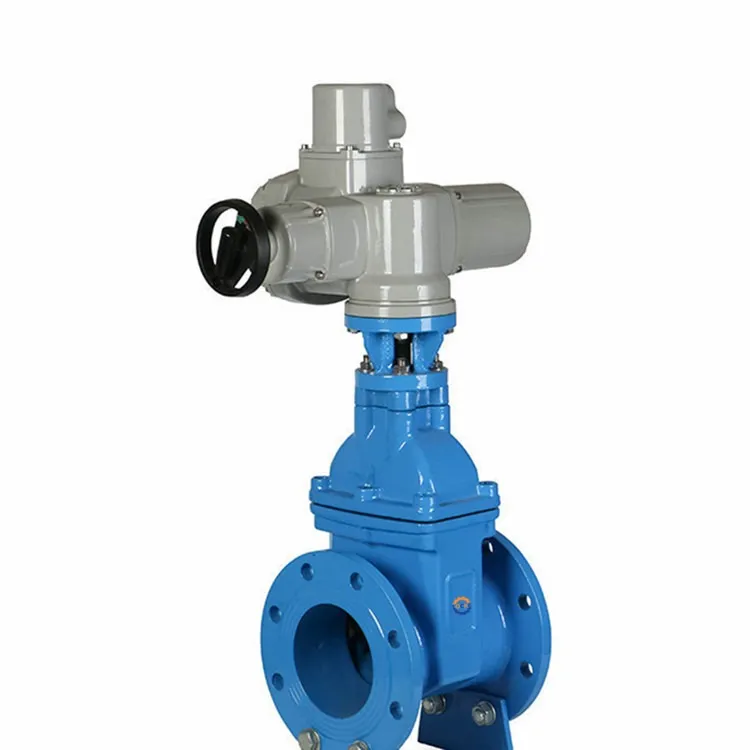
Understanding Pilot Operated Check Valves Key Components in Hydraulic Control Systems In the realm of hydraulic systems, the functionality and reliability of components play a crucial role in maintaining system efficiency and safety. Among these components, pilot operated check valves stand out as sophisticated regulatory devices that offer enhanced control over fluid flow. This article delves into the intricate workings, applications, and benefits of pilot operated check valves, underscoring their significance in modern hydraulic machinery. **Introduction to Check Valves** Fundamentally, a check valve is a unidirectional valve that permits fluid flow in one direction while preventing backflow, ensuring process continuity and protecting system components from damage due to unintended pressure reversals. Simple check valves operate based on differential pressure, opening when the upstream pressure exceeds a certain threshold and closing automatically when this pressure drops or reverses. **Pilot Operated Check Valve An Overview** A step above conventional check valves, the pilot operated check valve (POCV) employs an additional level of control through a pilot mechanism. Unlike standard check valves that rely solely on fluid pressure for operation, POCVs use a separate, low-pressure signal (the pilot pressure) to control the main valve's opening and closing. This design introduces a higher degree of regulation and responsiveness, making them particularly valuable in complex hydraulic circuits. **Operating Principle** The heart of a POCV lies in its dual-chamber design. The primary valve body, akin to a traditional check valve, consists of a spring-loaded poppet that seals against a seat to halt reverse flow. However, this poppet is controlled not directly by the main line pressure but by a smaller, secondary valve – the pilot valve. The pilot valve responds to a separate, low-pressure signal, which when activated, relieves pressure behind the poppet, allowing it to open under the influence of the upstream pressure. This setup enables the POCV to remain closed even under high differential pressures until the pilot signal commands otherwise, providing precise control over the fluid's directional flow. Conversely, when the pilot pressure is relieved, the spring forces the poppet to seal, effectively halting any potential backflow Conversely, when the pilot pressure is relieved, the spring forces the poppet to seal, effectively halting any potential backflow Conversely, when the pilot pressure is relieved, the spring forces the poppet to seal, effectively halting any potential backflow Conversely, when the pilot pressure is relieved, the spring forces the poppet to seal, effectively halting any potential backflow pilot operated check valve . **Key Benefits and Applications** The precision control offered by POCVs makes them indispensable in several hydraulic applications 1. **Accumulator Isolation** In systems with accumulators, POCVs prevent pressurized fluid from flowing back into the pump during operation, ensuring efficient energy usage and system protection. 2. **Pressure Holding Circuits** They are used to maintain pressure in specific parts of a circuit, even when the main pump is deactivated, facilitating functions like brake locking or tool holding in machinery. 3. **Overload Protection** By integrating POCVs with relief valves, they can provide an additional layer of safety against excessive pressure spikes, safeguarding sensitive equipment. 4. **Cylinder Control** In hydraulic cylinders requiring precise motion control, POCVs can regulate the extension and retraction sequences, enhancing operational smoothness and accuracy. **Conclusion** Pilot operated check valves exemplify the integration of advanced technology into hydraulic systems, offering a blend of responsiveness, control, and safety. Their ability to precisely manage fluid flow based on external signals elevates their utility beyond conventional check valves, making them a preferred choice in numerous industrial and mobile hydraulic applications. Understanding the principles and benefits of POCVs is essential for engineers and technicians aiming to optimize system performance and reliability. As hydraulic systems continue to evolve, the strategic implementation of components like POCVs will play a pivotal role in achieving higher levels of efficiency and control.
about
bathroom window with privacy glass
Understanding Metal Marking Gauges A Key Tool for Precision in Metalworking In the realm of metalworking, precision is paramount. One of the essential tools that facilitate precision in marking and measuring is the metal marking gauge. This tool plays a crucial role in a wide array of applications, from metal fabrication to woodworking, setting the stage for accurate cuts and joints. In this article, we will delve into what a metal marking gauge is, its components, various types, and its essential applications in the industry. What is a Metal Marking Gauge? A metal marking gauge is a specialized tool designed for marking precise lines on metal surfaces. Unlike a conventional ruler or tape measure, a marking gauge allows for an accurate establishment of a reference line from the edge of the material. This ensures that cuts or drill holes are made with pinpoint accuracy, ultimately leading to higher quality work and reduced waste. Components of a Metal Marking Gauge A typical metal marking gauge consists of several key components 1. Beam The beam is the main body of the gauge and is often made of durable materials like steel or aluminum. It provides a straight edge for guiding the marking process. 2. Sliding Arm The sliding arm is adjustable and allows for setting the desired distance from the edge of the material. It can be locked in place to maintain precision during use. 3. Scribe or Marking Tip The tip of the gauge is typically sharp, allowing for clear markings on the metal surface. The marking tip can sometimes be replaced or adjusted for different marking needs. 4. Base The base stabilizes the tool against the workpiece and ensures that the marking is consistent across multiple measurements. Types of Metal Marking Gauges Metal marking gauges come in various forms suited for different applications metal marking gauge 1. Single Marking Gauge A basic type of gauge that allows for marking a straight line along a single edge. It is typically used for simpler projects. 2. Dual Marking Gauge This type features two scribing points, allowing for the marking of two parallel lines in one pass. It is particularly useful for establishing joint lines or for ensuring uniform spacing. 3. Digital Marking Gauge Advanced models incorporate digital readouts that provide measurement accuracy and ease of use. These gauges often include features like preset distance settings and memory functions. 4. Router Marking Gauges Designed specifically for routing applications, these gauges help create accurate lines for router bit setups, improving the precision of cuts. Applications in the Industry The metal marking gauge is indispensable in various industries, including 1. Metal Fabrication In fabrication shops, marking gauges are vital for ensuring accurate cuts and joints. They help in layout work for welding or assembly, reducing errors that could lead to material wastage. 2. Machining In machining applications, precise measurements are crucial for producing parts that fit together well. A metal marking gauge allows machinists to lay out dimensions clearly before cutting. 3. Woodworking Though primarily associated with metalworking, marking gauges are also popular among woodworkers. They assist in marking grain lines or joinery, contributing to the overall quality of wooden projects. 4. Jewelry Making Artisans creating intricate designs on metal often use marking gauges to achieve the fine details required for high-quality pieces. Conclusion In conclusion, the metal marking gauge is an essential tool in the toolkit of any metalworker or craftsman. Its ability to provide consistent, precise markings on metal and other materials ensures a high level of workmanship that is vital for professional results. Whether you are a hobbyist or a seasoned professional, understanding how to effectively use a metal marking gauge can significantly enhance the quality and accuracy of your projects. As technology continues to advance, the evolution of metal marking gauges promises even greater precision and ease of use, making them indispensable in an increasingly demanding industry.
-

High quality industrial productsagement

High quality industrial products
View Details -

Meet the diverse needs of customers

Meet the diverse needs of customers
View Details -

Strict quality control

Strict quality control
View Details -

Top raw materials

Top raw materials
View Details -

Trusted supplier

Trusted supplier
View Details
Our application

news and information
Welding Table Cast Iron Heat Resistance
In the realm of welding, the welding table serves as a crucial foundation for all operations. Among
Valve Types
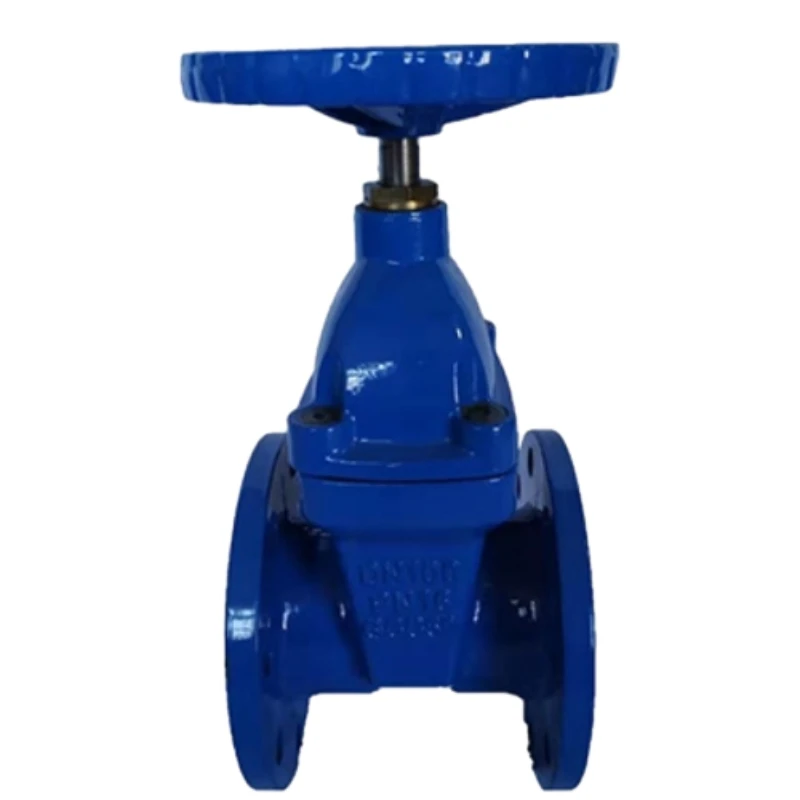
Valve types are the unsung heroes in the world of engineering and manufacturing, playing pivotal rol
Vanne à guillotine de 8 pouces pour applications industrielles et de plomberie
Vannes à Panneau Couteau de 8 Pouces Un Équipement Essentiel pour l'Industrie Les vannes à panneau
 English